Ad Blocker Detected
Our website is made possible by displaying online advertisements to our visitors. Please consider supporting us by disabling your ad blocker.
Have we ever wished our lawn could just take care of itself while we relax on the weekend?

What Is the Worx Landroid S 20V Robotic Lawn Mower?
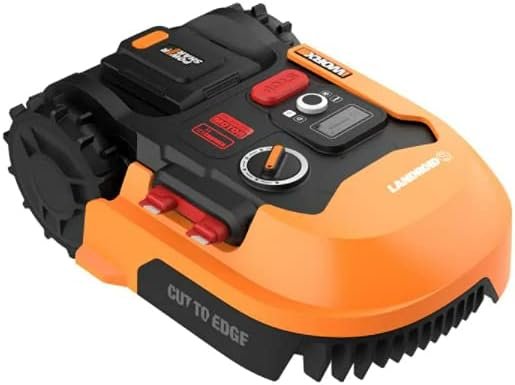
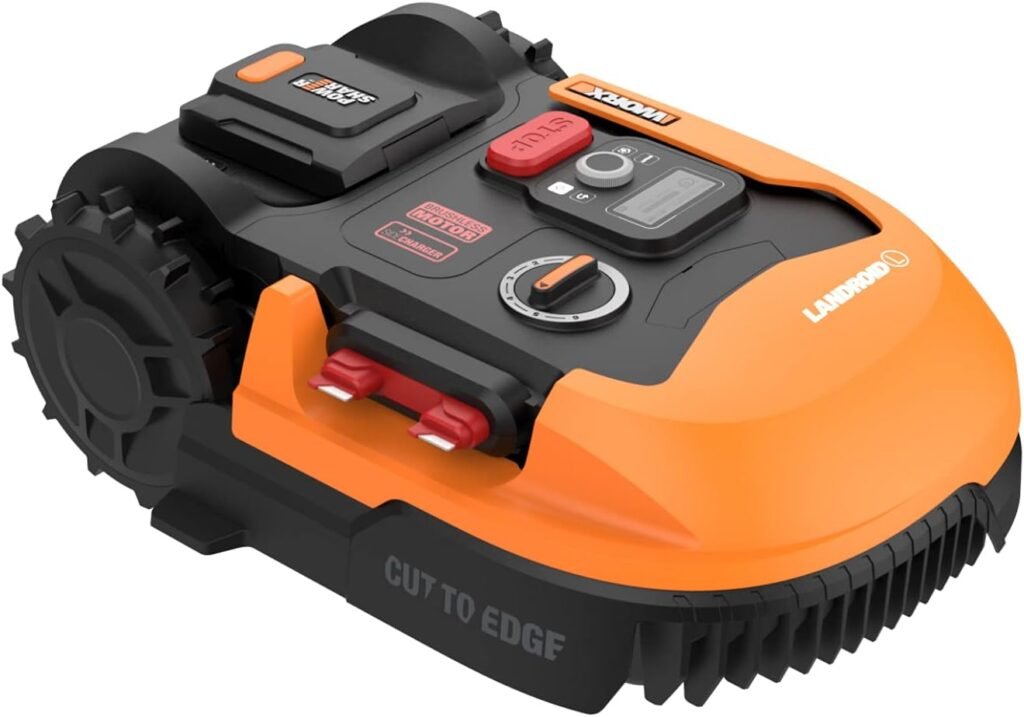
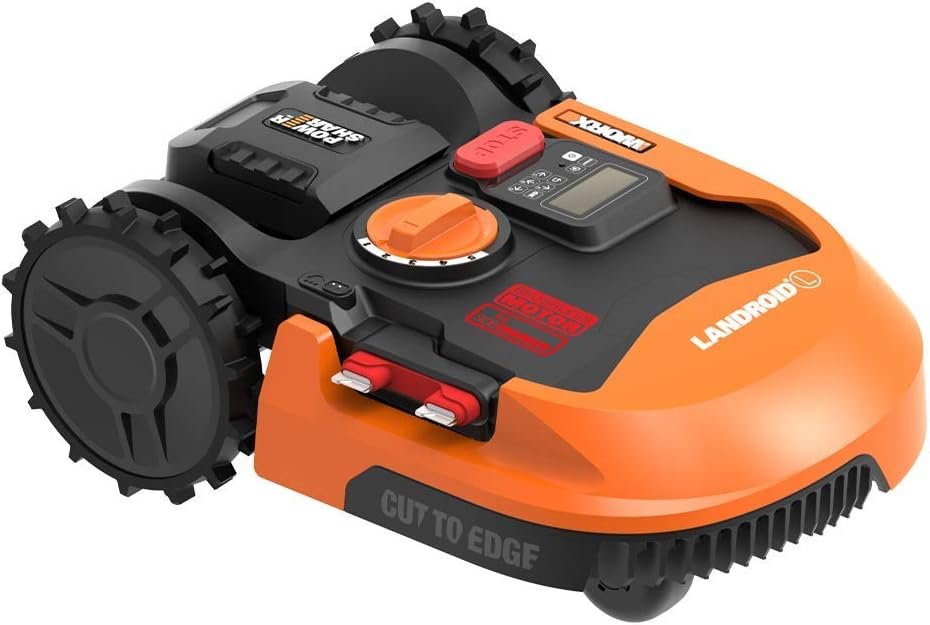
The Worx Landroid S 20V 2.0Ah Robotic Lawn Mower WR165 is a fully automated mower designed for smaller yards up to 1/8 acre or about 5,445 square feet. It runs on a 20V 2.0Ah battery that’s part of the Worx Power Share system, and it includes both the battery and charger in the box.
Instead of us pushing a traditional mower in the heat, this little robot quietly moves around the yard on its own, trimming the grass and returning to its charging base when it needs more power. We manage it from our phone using the Landroid app, and it uses a patented navigation algorithm to handle narrow passages and tricky spaces.
Key Features at a Glance
Sometimes it helps to see everything laid out clearly. Here is a quick breakdown of what this robotic mower offers and what those features really mean for us in day-to-day use.
| Feature | What It Is | Why It Matters to Us |
|---|---|---|
| Fully automated mowing | Robotic mower that cuts up to 1/8 acre (5,445 sq ft) | We set it up once, and it maintains the lawn automatically with minimal effort. |
| 20V 2.0Ah Power Share battery | Rechargeable lithium-ion battery included | We use the same battery with other compatible Worx tools, saving money and space. |
| Smart app control (Bluetooth & Wi‑Fi) | Landroid app lets us schedule, start, stop, and adjust settings from our phone | We control mowing without going outside or bending down to press buttons on the mower. |
| Patented AIA navigation | Artificial Intelligence Algorithm for narrow passages | It handles tight, complex yard layouts better than many basic robotic mowers. |
| Floating blade disc | Blade assembly lifts automatically on uneven terrain | Helps prevent the mower from getting stuck on bumps, roots, or slight ruts. |
| High‑efficiency brushless motor | More power, longer run time, longer life vs. brushed motors | Better performance and durability with less energy waste and less maintenance. |
| Designed for small yards | Ideal for up to 1/8 acre | Perfect if our lawn is modest in size and we want a simple, automated solution. |
| Automatic charging | Returns to charging base on its own | We don’t need to remember to plug it in or move it when it’s low on power. |
This overview already shows the theme: convenience, automation, and integration with other Worx tools.
Design and Build Quality
The Worx Landroid S has a compact, low-slung body that lets it move under shrubs and into tight corners more easily than a bulky mower. The overall look is modern and functional, with a sturdy plastic shell designed to handle moisture and outdoor conditions.
We notice right away that this mower is meant for real-world yards, not just perfect, flat lawns. The wheels have good tread, and the floating blade disc sits under the body to protect the blades and help the mower ride over small obstacles. There are bump sensors around the machine so that it can detect and react to solid objects.
The build feels solid enough for regular outdoor use, though like any robotic mower, it is still a piece of electronics that we need to treat with a bit more care than a heavy gas mower. It is water‑resistant, not a submarine, so we want to avoid using it in heavy rain or leaving it standing in puddles.
Cutting Performance and Lawn Finish
Cut performance is arguably the most important part of any mower, robotic or not. The Landroid S uses small, pivoting razor‑style blades mounted on a rotating disc rather than a large, heavy traditional mower blade.
In practice, we get a fine, consistent cut because the mower trims a small amount of grass at a time, but very frequently. Instead of a weekly hacking of tall grass, we get continuous, light trimming. The clippings are tiny, so they fall into the lawn and decompose, naturally feeding the soil and helping keep our grass healthier.
We should not expect it to “rescue” an overgrown jungle in one go. Robotic mowers like this work best when we first bring the lawn down to a reasonable height with a conventional mower, then let Landroid maintain that height over time. Once we are in maintenance mode, the lawn often looks more evenly cut than with weekly manual mowing.

Coverage Area and Yard Size Suitability
This model is built specifically for small lawns, with a maximum recommended area of 1/8 acre or about 5,445 square feet. That might sound small, but many suburban front yards, townhome lawns, and compact backyards fit well within that range.
We do need to think realistically about our total grass area, not just lot size. Driveways, patios, and beds do not count toward the mowing area. If our actual lawn is around or under that 5,445 sq ft mark, this model can usually handle it comfortably.
If our lawn is significantly larger than this, Landroid S may still function, but it will be working near its limits, running more often, and may not keep the lawn as consistently trimmed as we would like. In those cases, a larger Landroid model might be a better fit.
Patented AIA Navigation and Handling of Narrow Paths
The Landroid S uses Worx’s patented AIA (Artificial Intelligence Algorithm) to determine how it moves around the yard. Instead of driving randomly forever, it has a smarter way of dealing with narrow sections and complex shapes.
This is especially useful if our yard has:
- A narrow side passage
- A strip of grass between a driveway and a fence
- Tight sections between beds or landscaping features
Many basic robotic mowers tend to avoid or get stuck in these kinds of areas. With AIA, Landroid S can pass through narrower pathways more confidently. Over time, we get more even coverage across the whole lawn, instead of uncut patches in those slim corridors.
We should still keep paths within reason; it is not a miracle worker. But for typical residential layouts with a few narrow spots, this navigation system is a real advantage.
Floating Blade Disc and Handling Uneven Terrain
No yard is perfectly flat. Most of us have small bumps, dips, tree roots, or places where the soil settled over time. The floating blade disc helps the Landroid S handle these without immediately getting hung up.
The blade assembly can lift slightly when the mower’s underside contacts uneven ground, giving the machine extra clearance. This reduces the chance of the mower:
- Getting stuck on a small mound
- Grinding the blades into a rise in the soil
- Digging into the turf when crossing a dip
We still need to be careful with large obstacles like rocks, exposed roots, or deep holes, but for everyday unevenness, this system improves reliability and reduces interruptions.
High‑Efficiency Brushless Motor Benefits
A big part of this mower’s performance comes from the high‑efficiency brushless motor. Compared to traditional brushed motors, brushless designs:
- Run up to 50% longer on the same battery charge
- Deliver about 25% more power
- Have around 10% longer service life
For us, this means three practical things:
- More runtime per charge – The mower can cover a larger portion of our yard before needing to recharge.
- Better performance in thicker grass – When the grass is a bit lusher, the motor has the torque to keep the blades spinning without bogging down as easily.
- Less maintenance and wear – Brushless motors do not have carbon brushes that wear down over time, which can lead to more long‑term reliability.
The brushless motor is one of those invisible features that we rarely think about, but we benefit from it every time the mower runs longer and more quietly.
Power Share 20V Battery and Compatibility
The 20V 2.0Ah Power Share battery is the heart of the system. It powers the mower, and it is also part of the larger Worx Power Share ecosystem. That means we can use the same battery with:
- Worx 20V drills and drivers
- 20V and 40V yard tools (like trimmers, blowers, chainsaws, hedge trimmers)
- Certain 80V tools using compatible battery combinations
If we already own Worx tools, this mower fits right into our battery “fleet.” If we do not, we are starting an ecosystem that can simplify how we power many of our tools and gadgets.
The included 2.0Ah battery is sufficient for a 1/8‑acre maintenance schedule, since robotic mowers work slowly and recharge frequently rather than cutting the entire lawn in one big session. We just want to remember that a higher‑capacity battery (like 4.0Ah) would extend runtime if we ever decide to upgrade.
Smart App Control: Bluetooth and Wi‑Fi
Being able to control Landroid from our phone is one of the more satisfying parts of owning a robotic mower. The Landroid app connects via Bluetooth for close‑range control and Wi‑Fi for remote scheduling and monitoring.
From the app, we can usually:
- Set mowing schedules (days and time windows)
- Start, pause, or stop mowing
- Adjust cutting options and behaviors
- Check the mower’s status (mowing, charging, idle)
- Receive certain alerts (like if it is stuck or lifted)
Bluetooth is handy when we are standing in the yard or near the mower, while Wi‑Fi is more useful when we are away from home or inside. We should make sure our Wi‑Fi signal reaches the yard or at least the charging base area for the best reliability.
The app turns our lawn care into something we can manage casually from the couch, which is exactly what many of us want from a robotic mower.
Noise Level and Neighborhood Friendliness
One of the underrated perks of robotic mowing is how quiet it is compared to gas mowers. The Worx Landroid S, with its brushless motor and small blades, runs at a sound level that is low enough for early morning or evening operation without annoying the neighbors.
We can schedule it to run at off‑peak times, like mid‑morning on weekdays or late afternoon, and it will be a gentle hum rather than a roaring engine. That lets us keep the lawn constantly neat without needing a loud mowing session once a week.
If we have close neighbors or a small yard, this quiet operation is a major lifestyle advantage.
Installation and Setup Experience
Setting up a robotic mower requires more initial effort than rolling a push mower out of the shed, but we do it once and reap the benefits for years.
The basic installation steps usually include:
- Placing the charging base – We find a flat spot near a power outlet, ideally with some clearance around it so the mower can dock and depart easily.
- Laying the boundary wire – We run boundary wire around the perimeter of our lawn and around obstacles we want to exclude (like beds, ponds, or certain trees). The wire can be pegged to the surface at first and will sink into the grass over time, or we can bury it shallowly for a cleaner look.
- Connecting the wire to the base – The boundary wire makes a loop that connects to the charging station, creating an invisible fence the mower can detect.
- Configuring the mower – We connect to the mower via the app or onboard controls, set the language, date, time, and initial schedule.
- Initial test runs – We observe the mower as it runs its first few sessions, making small adjustments to the boundary wire, guide paths, or obstacles as needed.
The most time‑consuming part is the boundary wire. For a 1/8‑acre yard, we can typically finish in a few hours, especially if we plan our route and prepare tools (like a mallet for pegs, wire cutters, and a small shovel if we want to bury anything).
The good news is that once the boundary is set correctly, we mostly leave it alone. Occasional adjustments are normal if we re‑landscape or notice a spot where the mower bumps too close to something.
Everyday Use and Scheduling
Daily life with the Worx Landroid S is more about checking in than managing. After initial setup, our main job is to keep an eye on the schedule and make small seasonal adjustments.
Typical patterns might look like:
- Spring and early summer – Grass grows quickly, so we schedule more frequent mowing windows, maybe most days of the week.
- Late summer and fall – Growth slows, so we reduce the frequency or shorten the daily mowing time.
We might set it to run for a few hours each day during the growth peak. Because it trims small amounts of grass at a time, our lawn tends to look constantly tidy instead of going through the “freshly cut / slowly messy / very messy / cut again” cycle.
If we plan a backyard party or children’s playtime, we just pause or reschedule the mower from the app. It is easy to give ourselves a safe, mower‑free window whenever we need it.
Safety Features and Family Considerations
Safety is always on our minds when we put a machine with spinning blades into our yard, especially if we have kids or pets. The Worx Landroid S includes a set of common robotic mower safety features.
These typically include:
- Lift and tilt sensors – If the mower is lifted or tilted beyond a safe angle, the blades stop quickly.
- Bump sensors – When the mower hits an obstacle, it reverses and changes direction rather than trying to push through.
- Small pivoting blades – The blades are tucked under the body and are much lighter and smaller than a classic metal blade.
- PIN or lock features (depending on software region) – Some models allow PIN codes or anti‑theft settings, which lock the mower if it is taken off the property.
We still need to supervise small children and train pets, but the mower is designed to be as safe as reasonably possible. We should always lift it by the designated handles and never reach under it while it is active.
Terrain, Obstacles, and Real‑World Yard Challenges
Our yard is rarely as simple as a flat rectangle. We might have:
- Trees and shrubs
- Flower beds and vegetable plots
- Play equipment
- Patio furniture
- Pathways and stepping stones
The Landroid S can navigate around most static obstacles that we either fence off with boundary wire or that it detects as solid objects. However, we should expect a bit of trial and error in tricky areas.
For best results, we may want to:
- Use boundary wire to exclude delicate beds or complex rock gardens.
- Remove loose toys, hoses, or items that could tangle in the blades or wheels.
- Keep very high grass or weeds under control in areas outside the mower’s regular path, so they do not spill over into the mowing zone.
The floating blade disc and AIA navigation help significantly, but a little yard preparation goes a long way toward a smoother experience.
Maintenance Requirements and Blade Care
Even though the Landroid is “automatic,” it still appreciates some basic care. Most of the maintenance is simple and occasional.
Typical periodic tasks include:
- Cleaning the underside – Every few weeks, we flip the mower (after turning it off and removing the battery if recommended) and brush off grass buildup from the deck and wheels.
- Checking and replacing blades – The small razor blades eventually dull. We replace them every month or two during heavy seasons, or as needed, to keep the cutting clean.
- Inspecting the boundary wire – If we see areas where the mower behaves oddly or stops unexpectedly, there may be a boundary wire break that we need to locate and repair.
- Battery care – We store the mower and battery indoors during extreme off‑season conditions if our climate is very cold, helping prolong battery life.
This might sound like a lot at first, but in reality, we are talking about a few minutes of light maintenance every couple of weeks, compared to pushing a mower for an hour or more.
Battery Life, Charging, and Power Efficiency
The 20V 2.0Ah battery is sized around the target yard size of 1/8 acre. Instead of cutting the entire lawn in one go, the Landroid S works in multiple sessions, recharging itself between runs.
A typical pattern looks like this:
- Mower leaves dock and cuts for a while.
- When battery level drops to a set threshold, it returns to the dock.
- It charges until full.
- It resumes mowing again within the schedule’s allowed time window.
This cycle may repeat several times in one day during heavy growth periods, but since the mower is quiet and mostly self‑managed, it does not bother us. The brushless motor and efficient design help stretch that 2.0Ah capacity.
If we already own or plan to buy additional Power Share batteries, we have flexibility. We might swap in a fully charged spare or use higher‑capacity batteries in other tools and share them with the mower as needed.
Pros and Cons Summary
To help us quickly weigh whether the Worx Landroid S 20V WR165 is the right fit, it helps to see the strong points and trade‑offs in a simple overview.
| Pros | Cons |
|---|---|
| Fully automated mowing for small yards (up to 1/8 acre) | Limited to relatively small lawns; not ideal for larger properties |
| Smart app control via Bluetooth and Wi‑Fi | Requires decent Wi‑Fi coverage near the yard for best app experience |
| Patented AIA navigation handles narrow paths well | Very complex yard shapes still need careful boundary wire planning |
| Floating blade disc improves clearance on uneven terrain | Not suited for very rough, rocky, or extremely bumpy ground |
| High‑efficiency brushless motor offers more power and longer life | Replacement blades and occasional maintenance are still needed |
| Battery and charger included; works with Worx Power Share ecosystem | 2.0Ah battery is modest; heavy users may wish for higher capacity |
| Quiet operation, good for neighborhoods | Initial boundary wire installation takes time and effort |
| Environmentally friendly, no gas or oil | Cannot fully replace manual mowing for edge trimming in some yards |
This balance shows that the mower excels when we have a small to medium‑small lawn and want reliable, low‑noise, low‑effort maintenance, and we are willing to invest some effort in the initial setup.
Who This Robotic Mower Is Best For
This Landroid S model is particularly well‑suited for a certain type of homeowner. We might see ourselves in one or more of these categories:
- We have a small lawn (up to 1/8 acre) and want to stop pushing a mower.
- We enjoy a neat lawn but dislike the weekly time and sweat of mowing.
- We appreciate smart home tech and do not mind using an app for control.
- We already own, or plan to own, other Worx Power Share tools.
- Our yard has a few narrow sections where smarter navigation is helpful.
- We prefer a quieter, battery‑powered solution to noisy gas equipment.
On the other hand, this may not be the ideal choice if:
- Our lawn is much larger than 5,445 sq ft.
- Our yard is extremely rugged, with steep slopes, deep holes, or lots of rocks.
- We want a mower that can perform heavy first cuts in very tall grass.
In those situations, we might look for a larger or more specialized robotic mower, or plan to supplement this one with occasional manual mowing.
Environmental and Lifestyle Benefits
Switching from a gas mower to a robotic electric mower changes more than our weekend schedule. It shifts how we interact with our yard.
We gain:
- Reduced emissions and fumes – No gas, no exhaust, and fewer fluids to worry about.
- Less noise pollution – Our yard becomes more peaceful, and our neighbors likely appreciate it too.
- More consistent lawn health – Frequent, light trimming and mulching clippings improve the grass’s overall condition.
- More free time – We reclaim that weekly mowing block and can use it for anything else we enjoy.
Over time, the mower almost disappears into the background of our daily routine, leaving behind a lawn that seems to “just stay neat” without us thinking about it.
Value for Money and Long‑Term Ownership
When we look at price, we want to compare it not just to other robotic mowers, but also to the cost and effort of traditional mowing. While this Worx model is an investment up front, we recoup value in several ways:
- Lower fuel and maintenance costs compared to gas mowers.
- Reduced need for paid lawn services if we previously hired someone.
- Long‑term use; robotic mowers are designed for many seasons of operation.
- Shared battery platform with other Worx tools, maximizing the usefulness of each battery we own.
The high‑efficiency brushless motor and modest lawn size focus mean it is not wasting energy on a yard it cannot handle. That makes the overall system more efficient and cost‑effective for the right homeowner.
Practical Tips to Get the Most Out of the Landroid S WR165
To make sure we are happy with the mower over the long term, a few practical habits go a long way:
- Start with a trimmed lawn – Use a regular mower once to set the initial height, then let Landroid maintain it.
- Plan the boundary wire carefully – Take our time during installation, especially around tight corners and obstacles.
- Check the blades regularly – Dull blades tear grass, sharp ones cut cleanly and keep the lawn looking better.
- Adjust the schedule seasonally – More frequent mowing during growth peaks, less when growth slows.
- Monitor the first few weeks – Watch for recurring problem areas where the mower gets stuck and adjust accordingly.
Small adjustments in these areas can turn a “good” experience into a “great” one.
Final Thoughts: Is the Worx Landroid S 20V WR165 Right for Us?
If we have a modest‑sized lawn and we are tired of pushing a mower or organizing our weekends around yard work, the Worx Landroid S 20V 2.0Ah Robotic Lawn Mower WR165 offers a very appealing alternative. It is fully automated, app‑controlled, quiet, and smart enough to handle narrow passages and moderate unevenness.
Its strengths really shine when we stay within the recommended 1/8‑acre range and treat it as a continuous maintenance tool, not a heavy‑duty brush cutter. The Power Share battery compatibility and high‑efficiency brushless motor add real value, especially if we use or plan to use other Worx tools.
We end up with a healthier, tidier lawn, less noise, no gas fumes, and a lot more free time. For many of us, that combination makes this robotic mower a compelling addition to our home.
Disclosure: As an Amazon Associate, I earn from qualifying purchases.